
Web Scraping
professional data extraction from websites
We extract data from any website and deliver it in a format that's ready for analysis. Exactly the data you need, from any source.
Data extraction and automation
that helps your business grow
A few of the industries we provide data extraction and crawling services for.
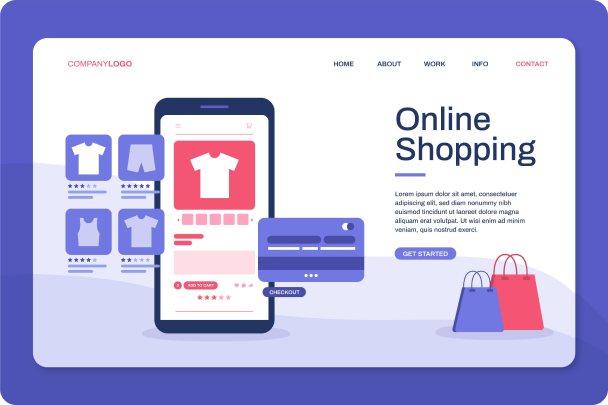
Competitor price monitoring
Price data extraction lets you follow price changes across your market as they happen, so you can adjust your own prices the same day instead of a week later.
Product data extraction
We collect product data from many sources at once, so full catalogs land in your store without manual copying. Once the import is built, it can be refreshed on a schedule.
Product review scraping
We pull product reviews from different sources into a single report. It shows what customers praise and what they complain about, so problems with your offer come to light sooner.
These are just examples of the data we can collect for you.
Why choose our web scraping services?
We handle websites that use security measures to block data collection, and we scope the work to what you actually need.
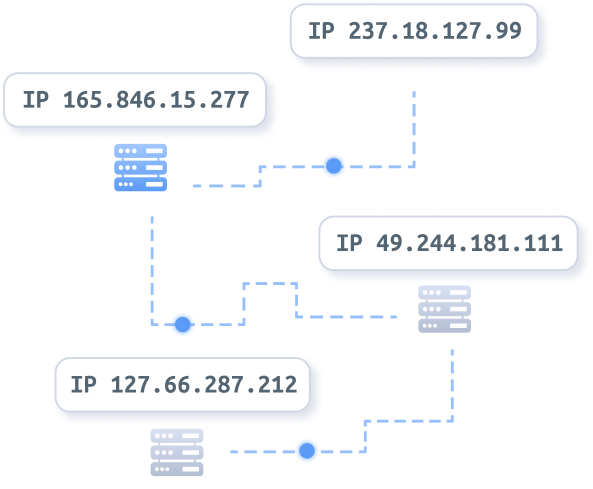
Proxy infrastructure
Automatic
IP rotation
- IP addresses from over 195 countries
- 100% privacy
- Unlimited bandwidth
CAPTCHA solving
We've worked out ways to get past CAPTCHAs
Real browser
We simulate a real web browser
Own servers
We run our own server infrastructure
In-house developers
A team of professional developers on hand

Ready-made solutions
Years of experience have left us with plenty of ready-made solutions
- Extensive datasets
- Self-service scraping dashboards
- Plenty of ready-made scrapers
How it works
Our data extraction and aggregation process
Define the data source and volume
Together we decide what data to collect and where from. We agree on the scope, the update frequency and the delivery format.
Website analysis and cost estimate
We look at the site's technical complexity, its protections and the data volume so we can give you a realistic quote.
Scraper build and data collection
We build a dedicated scraper tailored to the site and collect the data on the agreed schedule.
Data verification and billing
We check the data for quality and completeness, deliver it in the agreed format and settle the project.
Data formats
Scrape website data to Excel
Files are most often delivered as XLSX, XLS, CSV, JSON, XML or SQL. We send the collected data in whatever format suits you, from a standard spreadsheet to a direct API integration. If the data should go straight into your store, ERP or CRM rather than a file, that's what our e-commerce integrations are for.

Example data sources
A few examples of websites we can extract data from.
 amazon.come-commerce

Need data from a website?
Tell us which website and what data you need. We'll get back to you on whether it can be done, what format you'll get and what it will cost.
Web scraping: extracting data from websites
Web scraping is the automated collection of data from websites. Scripts visit the sites you specify, pull out the information you need and save it in a structured form, ready for analysis. It pays off most when the same data has to be collected regularly and from many sources at once.
The biggest difference is time. Browsing pages and copying data by hand is slow and error-prone, especially at scale. Automated data collection does the same job faster and more consistently, which leaves your team time to analyze what was collected.
In e-commerce, web scraping is used for competitor price monitoring, market trend research and collecting customer reviews. Online stores grow sales by reacting to price changes and adjusting their marketing.
In finance, web scraping collects market data, tracks stock market trends and follows news about competitors. Investment firms get this information as it happens instead of waiting for periodic reports.
In marketing, extracting data from websites makes it possible to analyze ad campaigns, track sentiment on social media and study consumer behavior. Pulling data from several platforms at once gives a fuller view of the market than looking at each one separately.
In real estate, scraping is mainly used for listing monitoring and tracking price trends. Agents and developers see new listings and price changes right away, so they can advise their clients sooner.
In education, scraping helps collect student feedback, curriculum data and information about what other institutions teach. Universities and schools use it to shape their own programs.
All of these use cases come down to the same thing: collecting data from the web in a repeatable way, so decisions rest on the current state of the market rather than on whatever someone had time to check by hand.
Frequently asked questions
Web scraping is the automated extraction of data from websites. Scripts go through the pages you specify and pull out the data you need in a form that's ready for analysis.
We stick to a few key rules: we respect robots.txt files, we don't overload servers, we add delays between requests, and we stay anonymous (for example by using proxy servers). These practices help avoid legal and ethical problems and make scraping more efficient.
It depends on several factors: the country where the scraping takes place, the purpose of collecting the data, the type of data, and the website's terms of service. Publicly available information, such as prices or product details, is usually the most straightforward case. Personal data is different: it falls under privacy laws such as the GDPR in the EU, which set rules on how it can be collected and used. If you're unsure about your project, check it with a lawyer before you start.
The price depends on several factors, starting with how complex the target website is and what technology it uses. The main cost drivers are anti-scraping measures such as reCAPTCHA, data encryption and dynamically loaded content. The cost also grows with the volume and type of data, how often it has to be collected, and whether proxies or a VPN are needed to mask the IP address.
We deliver data in whatever format you need. The most common are CSV, XML, XLS, JSON and SQL, which are easy to plug into other systems and applications. We can also provide the data via API, straight into your system.